
How to Encourage Your Toddler to Talk More: Simple Speech-Building Activities for Parents
Real language growth happens right in your messy living room. Everyday casual chatter and shared giggles build strong vocal confidence naturally without any stressful academic pressure whatsoever. These simple fun activities get kids talking very fast. Forget about buying incredibly expensive learning tools or setting up rigid lesson plans for your energetic toddler today. Just talking naturally together is an incredibly powerful tool. Kids pick up words easily whether they are hanging out at home or heading over to a local nursery school. Let us look at some simple ways to get them talking.
Talking Through Boring Daily Chores
Doing laundry and washing dirty dishes provide fantastic early speech opportunities. Kids learn very quickly when they simply observe completely ordinary afternoon household tasks happening right in front of them. Start talking out loud while folding those endless messy shirts.
- Describe whatever you are currently doing around the highly chaotic kitchen today.
- Tell them you are grabbing a delicious green apple for their afternoon snack while standing by the fridge.
- Narrating your boring life builds their practical vocabulary fast.
- Point directly at random things like dirty socks or giant plastic cooking spoons to grab their complete attention instantly.
- Name ordinary objects loudly while tossing them into the basket.
- Give them two highly visible choices when offering a quick snack so they feel totally empowered to decide.
- Wait a few painful seconds to see if they attempt speaking.
Playing Silly Noisy Games Together
Getting down on the living room carpet to play is where the real magic happens. Playing goofy games totally removes weird pressure about speaking perfectly. Making crazy animal noises builds an incredibly fantastic, robust foundation for their future complex conversations with family members. These interactive floor games mirror the exact kind of socialization toddlers experience in a vibrant playschool setting.
- Moo loudly like a giant cow while pushing wooden farm toys.
- Bark like an excited dog and wildly encourage them to copy your silly sounds during floor time.
- Connecting animal noises to physical toys makes talking feel hilarious.
- Sing those highly annoying nursery rhymes thousands of times every single week to build totally predictable verbal routines.
- Catchy musical tunes help them anticipate which specific word comes next.
- Hide a fluffy bear under the couch and act completely shocked about the sudden disappearance to prompt their questions.
- Repeat adorable nonsense words they mumble during quiet play.
Reading Books Without Actually Reading
Storytime does not mean you strictly read every single printed word on the page. Flipping through thick cardboard pages gives you endless fun stuff to discuss. Pointing at colourful pictures works infinitely better than demanding complete stillness from an energetic toddler who just wants to run. Early educators at any quality preschool use this exact visual approach to keep children engaged.
- Touch vibrant pictures directly while saying exactly what is happening there.
- Keeping things highly visual helps toddlers seamlessly connect your spoken words to the detailed illustrations sitting right in front of them.
- Let your busy kid hold the heavy board book securely.
- Giving them physical control keeps them completely engaged in the messy reading process naturally without forcing strict attention.
- Do terrible voice impressions for every weird creature featured inside.
- Use an incredibly deep gravelly voice for the grumpy bear waking up from his long winter hibernation inside the dark cave.
- Connect the weird cartoon drawings to actual things around your house.
Taking Conversations Outside the House
Getting into the fresh air provides entirely new things to discuss together. The local park offers millions of amazing natural conversation starters for a highly curious kid exploring the outdoors. Stepping onto the porch brings completely different noises instantly.
- Call out every single noisy garbage truck rolling down your busy suburban street safely.
- Talk about how those massive black tires look incredibly dirty and sound unbelievably loud today when they roll past.
- Pick up gross sticky leaves and muddy rocks while walking.
- Discuss how the wet dirt feels extremely weird squished between your dirty fingers during your fun nature hike.
- Stop walking randomly to listen quietly for weird birds singing.
- Ask them what that strange high-pitched sound is exactly on this beautifully warm afternoon in the neighbourhood.
- Complain loudly about the freezing winter wind or the boiling hot sun.
Creating Sneaky Reasons to Talk
Parents frequently grab things for kids before they even bother to request it. Anticipating every single need actively prevents them from practicing their messy new words during normal daily routines around the house. You must strategically manufacture slightly annoying situations where they simply must speak. Children enrolled in a day care often build these functional communication habits quickly because group routines require them to express their needs directly.
- Put their absolute favourite plastic dinosaur on a ridiculously high shelf they cannot reach.
- Make sure they can clearly see the beloved toy sitting up there looking totally abandoned so they ask for it.
- Forcing them to actively request your adult assistance heavily builds speaking motivation.
- Hand them only two small apple slices instead of the entire delicious snack bowl sitting on the kitchen counter.
- Holding back the sweet food means they must independently ask for more.
- Pretend you suddenly forgot how to open their absolute favourite crunchy snack food container while they watch you struggle helplessly.
- Stare blankly when they just point and grunt at the kitchen fruit basket angrily.
Building Social Confidence Early
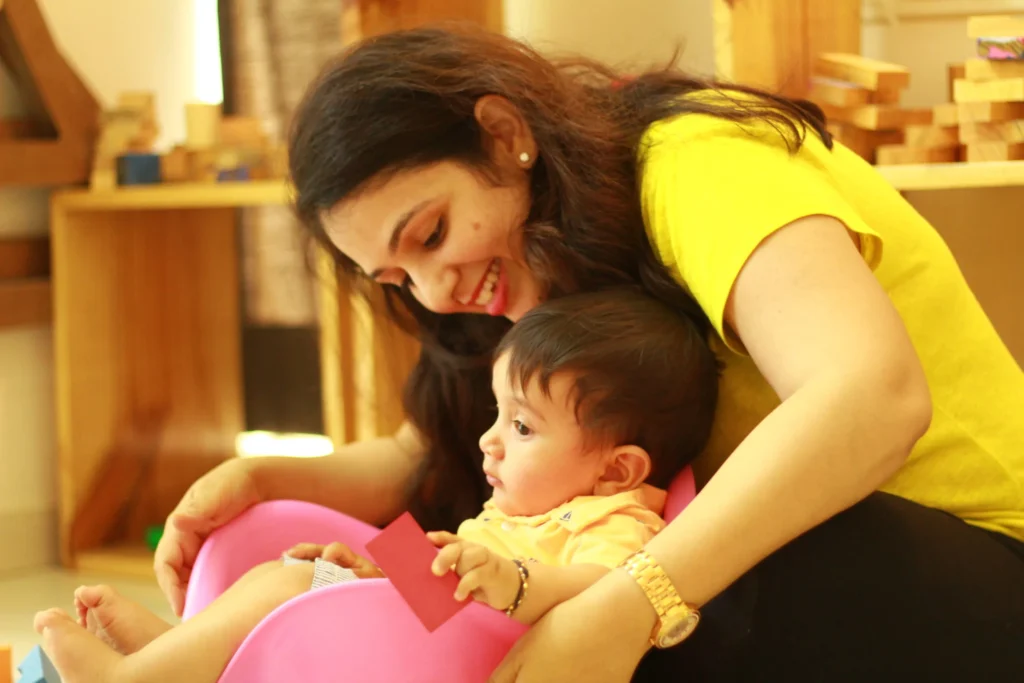
As kids grow more expressive, giving them targeted spaces to practice with peers makes a noticeable difference. Joining an interactive mother-toddler programme offers a guided environment where parents and children build these verbal routines together side by side.
Every child hits these messy verbal milestones on their own weird individual timeline. Pushing them way too hard usually backfires terribly, making them fiercely want to stay quiet instead of bravely speaking up. Keep your daily chats extremely casual and completely relaxed. Just keep chatting naturally with them like they are your absolute favourite tiny roommate sharing the exact same living space. Call your trusted local paediatrician if you ever feel deeply worried.